Tell us about the job
Takes about a minute. No obligation.
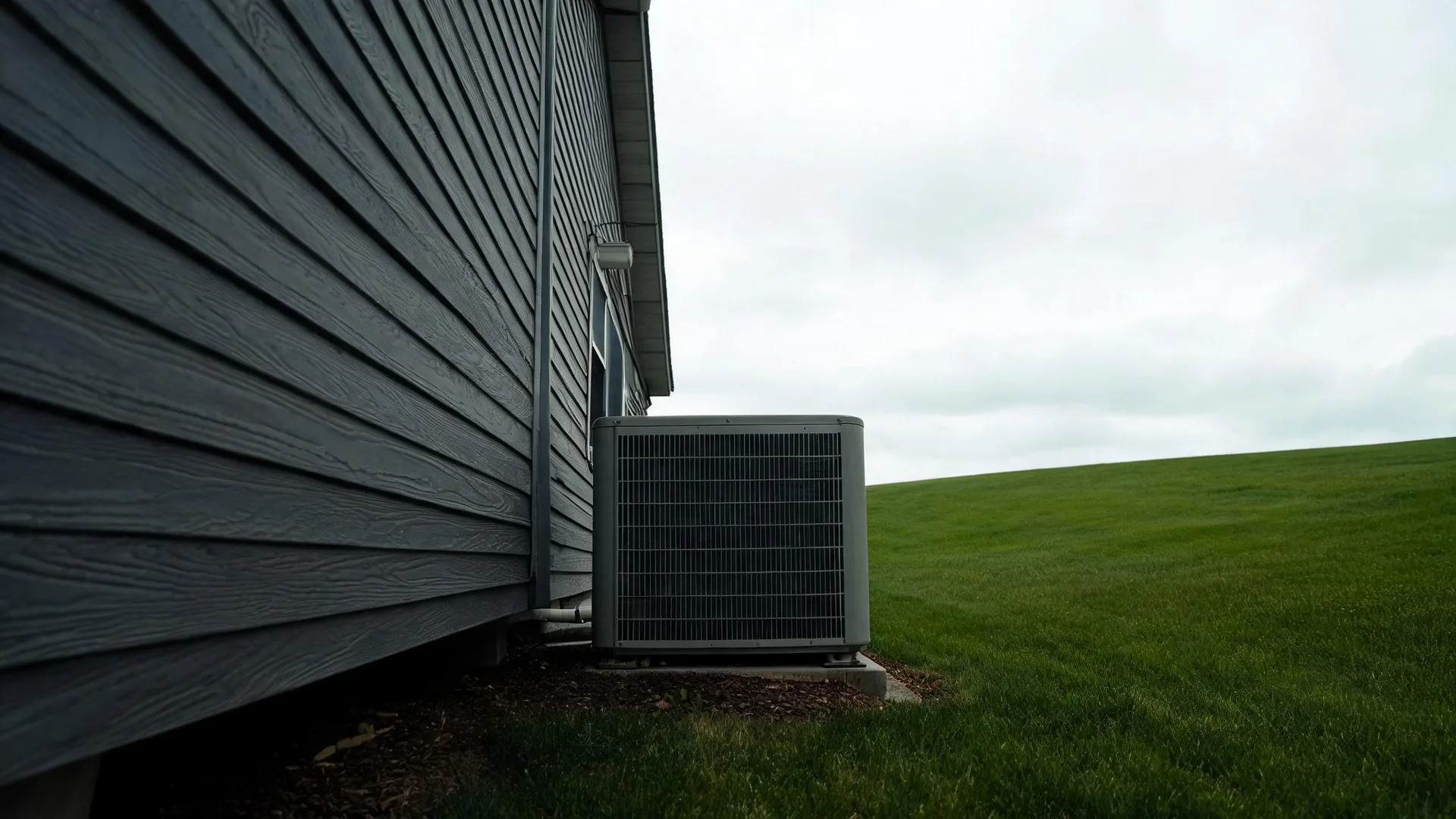
A central AC system that sat idle through fall, winter, and spring can mask a failing contactor or a compressor drawing too much current until it is called on to run. Homes in Providence County, RI run cooling about two months a year, from July through August. Contractors working a first-of-season call often find that the fault was already present at shutdown the previous August. The compressor shows it first: hard starts, drawn-out cycles, or a capacitor that barely makes it through the initial pull. A short cooling season does not spare the equipment from wear; it just delays the report.
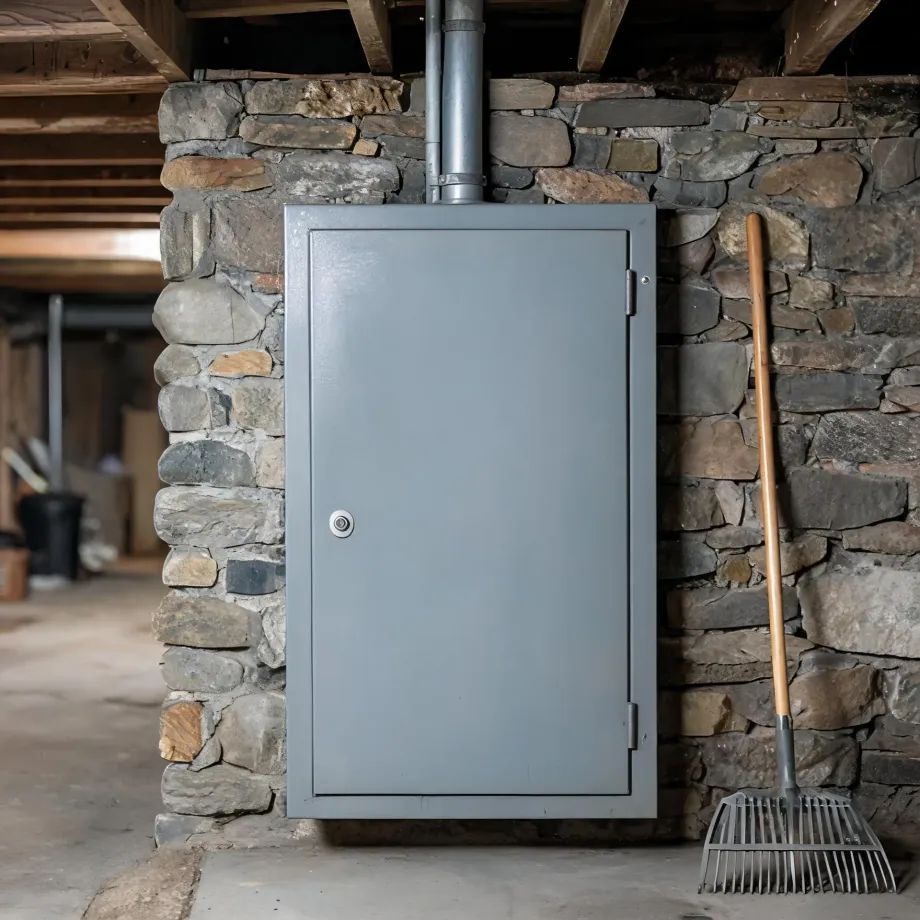
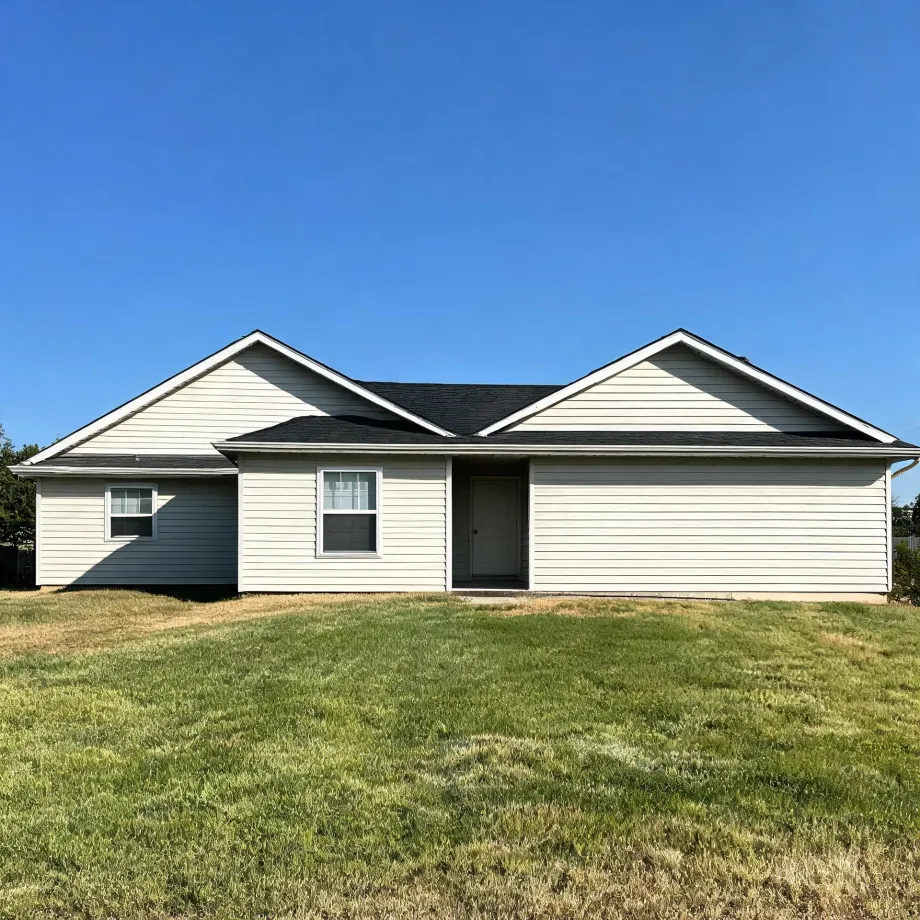
Ductwork and refrigerant lines in houses this old have been through successive systems, each one a different generation of equipment. Half the homes in Providence County, Rhode Island were built in 1956 or earlier (2020-2024 ACS 5-year). That history means a contractor opening a failed unit here has to determine which generation it belongs to before pricing the repair, because the parts a system that vintage requires are not always in current production. When a manufacturer has discontinued a component, the contractor sources it from remaining stock or looks at whether a substitute is compatible with what is already in place.
The Parts of a Central AC a Contractor Checks First
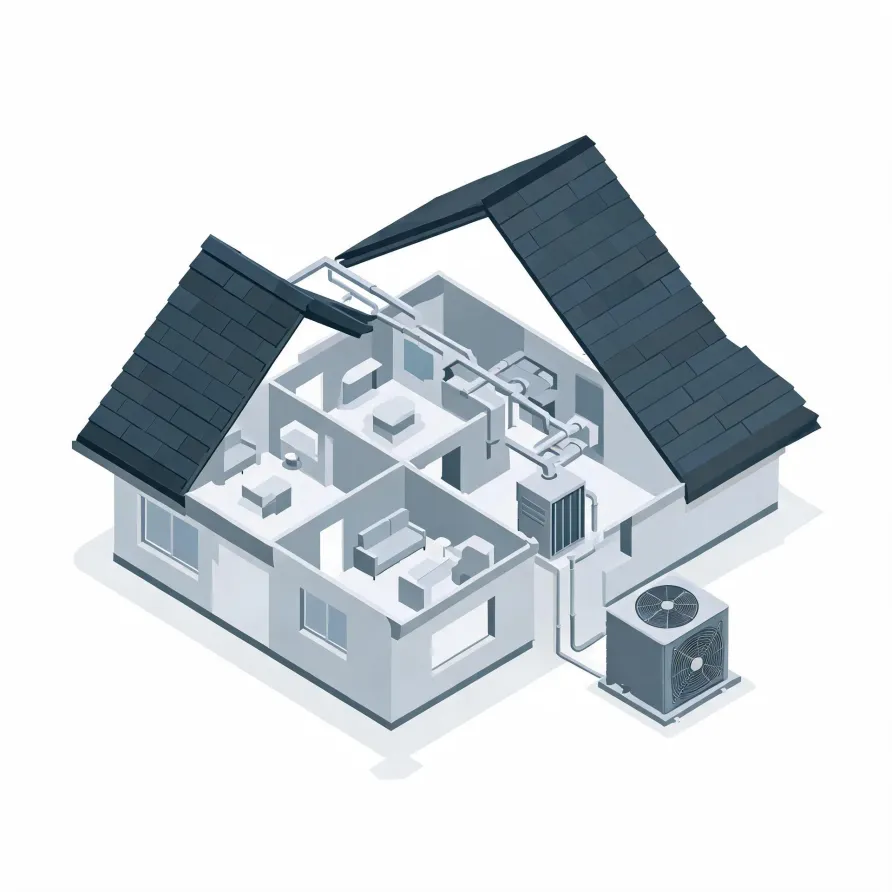
The outdoor condenser unit sits outside the house, usually on a concrete pad along the foundation wall, and it is where heat pulled from inside your home gets released. The indoor air handler or furnace coil lives inside, most often in a basement, attic, or utility closet, and holds the evaporator coil where the cooling actually happens. Both are common starting points when a system is underperforming or has stopped working.
The refrigerant lines run between the two units and carry the working fluid that makes the exchange possible. The thermostat on the interior wall is where the whole system takes its signal, and a fault there can mimic a much larger problem. The condensate drain line exits the indoor unit and clears the moisture that collects on the coil during operation.
The drawing shows a typical layout, and a licensed contractor determines which components apply to your specific setup and what work each one actually needs.
Find a contractor in Providence CountyProvidence County, by the numbers
236 severe weather events were recorded in Providence County, Rhode Island between 2015 and 2024.
NOAA National Centers for Environmental Information, Storm Events Database, bulk CSV export, events 2015-01-01 through 2024-12-31.Half the homes in Providence County, Rhode Island were built in 1956 or earlier (2020-2024 ACS 5-year).
U.S. Census Bureau, 2020-2024 American Community Survey 5-Year EstimatesProvidence County, Rhode Island holds 277,740 housing units (2020-2024 ACS 5-year).
U.S. Census Bureau, 2020-2024 American Community Survey 5-Year EstimatesOwners occupy 56.9% of the occupied homes in Providence County, Rhode Island (2020-2024 ACS 5-year).
U.S. Census Bureau, 2020-2024 American Community Survey 5-Year EstimatesCodes & Standards for Central AC Repair in Providence County, Rhode Island10 sourced rules & standards
What HVAC Repair Looks Like in Providence County
Split-system central air conditioners rated below 45,000 Btu/h manufactured on or after January 1, 2023 must meet a federal minimum of 13.4 SEER2.
Split-system central air conditioners rated at or above 45,000 Btu/h manufactured on or after January 1, 2023 must meet a federal minimum of 13.4 SEER2.
Split-system central air conditioners manufactured between January 1, 2015 and December 31, 2022 had to meet 13 SEER, the metric that preceded SEER2.
Single-package central air conditioners manufactured on or after January 1, 2023 must meet a federal minimum of 13.4 SEER2.
Space-constrained central air conditioners manufactured on or after January 1, 2023 must meet a federal minimum of 11.7 SEER2.
Federal efficiency standards for split-system central air conditioners and heat pumps are set on each certified combination of outdoor unit and indoor coil rather than on the outdoor unit alone.
Residential and light commercial air conditioning and heat pump systems assembled in the field, including mini-splits and unitary systems, may not be installed on or after January 1, 2025 using a refrigerant with a global warming potential above 700.
A field-assembled system whose specified components were all manufactured or imported before January 1, 2025 carries no installation compliance date under the refrigerant restrictions and may still be installed.
Licensing and Legal Requirements for HVAC Repair in Providence County, Rhode Island
A Rhode Island master licensee needs no separate sheet metal licence while the air handling equipment is ten (10) tons or less, or the heating equipment does not exceed 250,000 BTUs; above either figure the sheet metal work must be subcontracted to a licensed sheet metal contractor.
Rhode Island requires a licence from the Department of Labor and Training to work in the mechanical trades: nobody may hold themselves out as a master, or advertise that they will install refrigeration and air conditioning or air distribution systems, without one.
Severe Weather Events in Providence County
Storms put hours on central AC equipment: compressors cycle harder after power fluctuations, coils work against humidity spikes, and the cumulative load shortens the gap between normal wear and a repair call. That pattern is local, which is why the weather record for this area belongs on a page about keeping central air running in Providence County.
236 severe weather events, 2015–2024. Source: NOAA National Centers for Environmental Information, Storm Events Database.